
Inlays and Onlays
Inlays and Onlays in New Lenox, IL
Damaged or decayed teeth don’t always require a full dental crown. In many cases, dental inlays and onlays are the best option, providing a conservative, durable solution that restores your natural smile while preserving more of your tooth structure. At Elite Smiles of New Lenox, we often recommend these custom restorations to strengthen teeth in the long term. Learn more about inlays and onlays and what makes them an excellent choice for those hoping to restore their smiles.
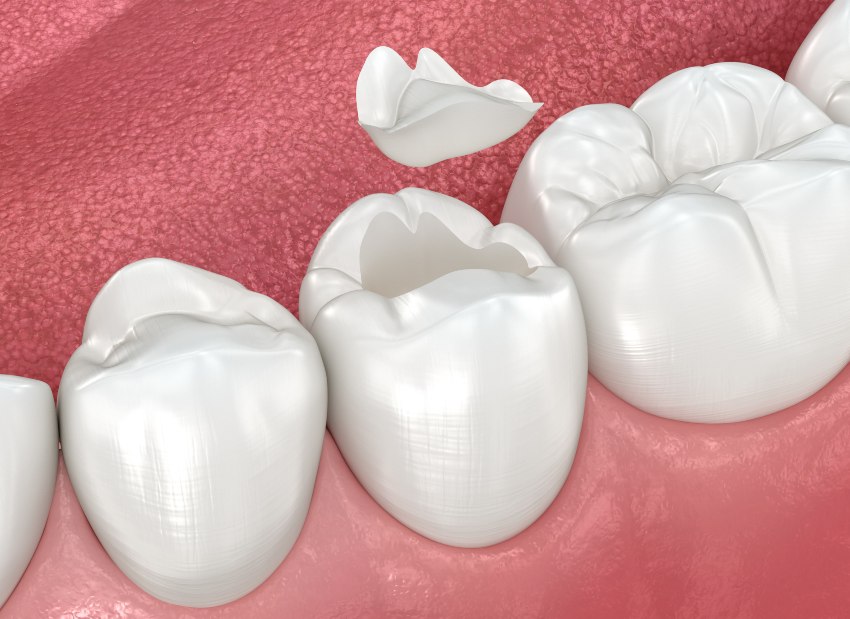
What Are Dental Inlays and Onlays?
Inlays and onlays are custom restorations used to repair teeth affected by decay, fractures, or wear. An inlay fits within the grooves of a tooth and repairs damage that does not extend to the cusps, or raised chewing surfaces. An onlay, on the other hand, covers a larger area and is used when one or more cusps need restoration. Because they’re custom-made, both options are durable and natural-looking.
The Benefits of Inlays and Onlays
Dental inlays and onlays are commonly-used restorations for a reason. They offer several advantages for patients who need more than a simple filling but won’t require a full crown. Get to know some of the benefits:
- They preserve the tooth’s natural structure.
- Dental inlays and onlays are durable and can last for years.
- They’re custom-made and fit perfectly into your mouth.
- They stand up to staining better than many traditional filling materials.
- They bring a natural appearance that blends in with the rest of your teeth.
- They support your long-term oral health.
When Are Inlays and Onlays Recommended?
While we often think of fillings or crowns before dental onlays, there are lots of situations where we might recommend inlays and onlays over the other options. For example, these types of restorations may be best if you have:
- Moderate tooth decay
- Cracked or fractured teeth
- Large, failing fillings that need replacement
- Teeth weakened by wear or damage
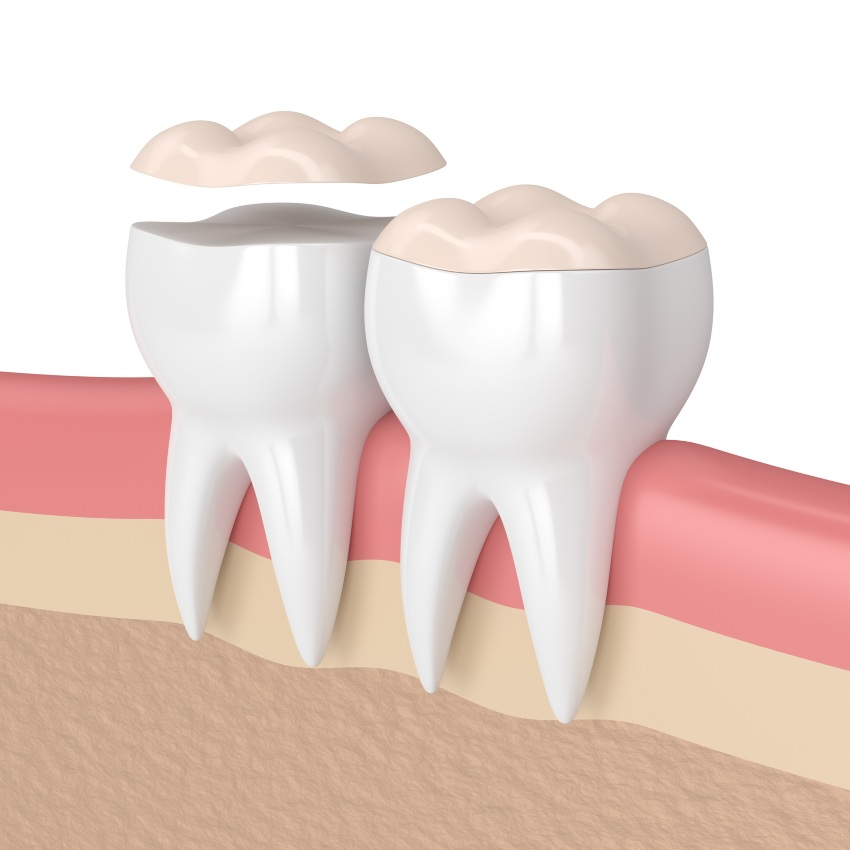
How Tooth Inlay Restoration Works
Getting a tooth inlay restoration isn’t as time-consuming as you might think. It’s a straightforward process that can be completed in just two appointments. Here’s what you can expect from each one:
- The Initial Visit—During your first appointment, we remove the damaged or decayed portion of your tooth. We’ll then prepare the tooth and digital scans to create the restoration from scratch. Depending on your circumstances, we might place a temporary restoration in the meantime.
- The Placement Appointment—Once your custom restoration is ready, you’ll come back to our New Lenox office for your second visit. We’ll check the fit, bite alignment, and appearance before bonding the inlay or onlay permanently into place. After final adjustments, we polish up the restoration to ensure a comfortable, natural feel.
The Materials Used for Inlays and Onlays
Before you head to your dentist’s appointment, it’s also helpful to know what kind of materials inlays and onlays are made from. Each has its own benefits:
- Porcelain—Porcelain is one of the most popular choices because it closely resembles natural tooth enamel. This material provides excellent aesthetics, resists staining, and blends seamlessly with surrounding teeth.
- Composite Resin—Composite resin restorations offer a tooth-colored appearance and may be more cost-effective compared to other materials.
- Gold—Although less common today, gold is still a highly durable option. It’s exceptionally strong but doesn’t provide that natural appearance many patients are looking for.
How to Care for Your Restoration
If you want your dental onlays and inlays to last a long time, you’ll need to take a few steps to care for them. Fortunately, that care isn’t much different from your normal hygiene regimen! Follow these tips for keeping your tooth onlay restoration in excellent condition:
- Brush twice daily with fluoride toothpaste
- Floss carefully around the restored tooth
- Attend routine dental exams and cleanings
- Avoid chewing ice or other extremely hard objects
- Wear a nightguard if you grind your teeth
- Address any discomfort or damage promptly
Schedule Your Next Appointment Today
If you have a damaged, decayed, or weakened tooth, an inlay or onlay may be the ideal solution for you. Not only does this approach restore your natural-looking smile, but it also preserves as much of your tooth’s structure as possible. Get in touch with the team at Elite Smiles of New Lenox for details about this type of restoration and schedule your next appointment.
FAQs About Inlays and Onlays
An inlay fills damage within the grooves of a tooth but doesn’t cover the cusps. On the other hand, an onlay restores a larger portion of the tooth and extends over one or more cusps.
An inlay or onlay is often recommended when a cavity or damaged area is too large for a traditional filling but doesn’t require something as extensive as a dental crown.
Neither option is necessarily better. The best choice depends on the condition of your tooth.
These dental restorations are typically made from porcelain or composite resin.
Yes. Porcelain and composite resin inlays and onlays can be custom-shaded to closely match the color of your surrounding teeth.