
The Link Between Sleep Apnea and Oral Health
When we think about a healthy smile, we often focus on brushing, flossing, and regular cleanings. Your oral health is deeply connected to how well you breathe while you sleep. Sleep apnea, a common yet serious disorder where breathing repeatedly stops and starts, does more than just leave you feeling tired, it can have a significant impact on your teeth, gums, and jaw. At Elite Smiles of New Lenox, we believe that understanding this connection is the first step toward reclaiming both your rest and your dental well-being. By recognizing the subtle dental signs of sleep apnea, we can work together to ensure you breathe easily and maintain a vibrant, healthy smile.
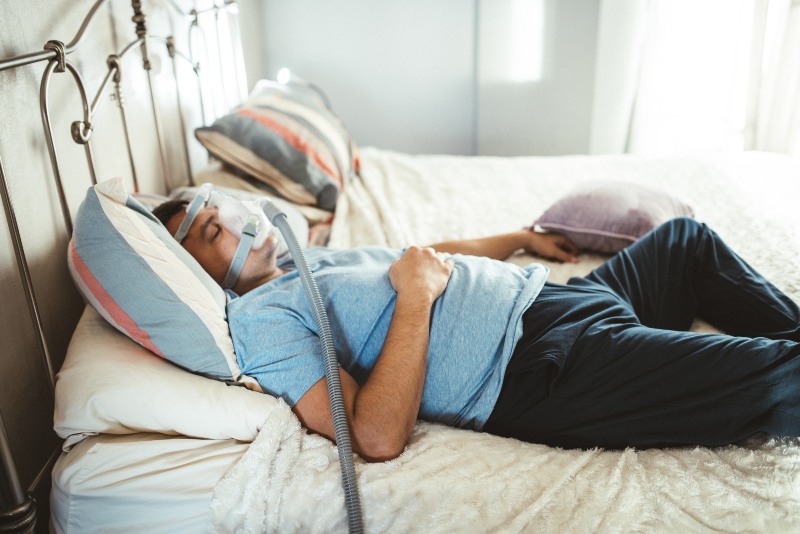
Understanding Sleep Apnea
Sleep apnea occurs when the airway becomes blocked or the brain fails to signal the muscles to breathe during sleep. The most common form, Obstructive Sleep Apnea (OSA), often results in loud snoring and gasping for air. Beyond the exhaustion, untreated sleep apnea places immense strain on your cardiovascular system and can exacerbate various oral health issues. Understanding that your mouth is the gateway to your airway helps explain why your dentist is often the first line of defense in identifying this condition.
Oral Signs Dentists Often Detect
During a routine exam, we look for more than just cavities. We’ll check for “clues” that your nighttime breathing might be interrupted. Many patients are surprised to learn that nighttime teeth grinding (bruxism) is a frequent indicator of sleep apnea, as the body instinctively clenches the jaw to keep the airway open. Other common signs include:
- Scalloped Tongue – Indentations on the sides of the tongue caused by it pressing against the teeth to create more room for air.
- Jaw Pain – Chronic TMJ issues or jaw soreness often stem from the physical stress of struggling to breathe.
- Dry Mouth – Breathing through the mouth during the night can significantly reduce saliva flow, leading to sleep apnea dry mouth, which increases the risk of tooth decay and gum disease.
How Oral Health Affects Sleep Quality
Understanding the connection between your mouth and your rest is a vital step toward better health. Here is how your oral well-being directly influences the quality of your sleep:
- Airway Obstruction and Sleep Apnea – Issues such as a narrow palate, enlarged tonsils, or a misaligned jaw can significantly restrict your airway, leading to disruptive snoring or obstructive sleep apnea (OSA).
- Bruxism and Jaw Tension – Habitual teeth grinding or clenching (bruxism) often leads to temporomandibular joint (TMJ) discomfort, which can cause frequent nighttime arousals and morning headaches.
- Inflammation and Systemic Health – The effects of sleep apnea on teeth and gums can be quite damaging, as chronic oral infections or gum disease can trigger systemic inflammation, which has been linked to various sleep disturbances and reduced overall restorative sleep.
- Dry Mouth Discomfort – Conditions like xerostomia (dry mouth) can cause significant irritation throughout the night, forcing you to wake up frequently for water and interrupting your natural sleep cycles.
Dental Treatment Options for Sleep Apnea
If you struggle with snoring and dental problems, you may not always need a bulky CPAP machine. Our dental team offers several effective solutions to help you breathe easier and wake up feeling refreshed:
- Mandibular Advancement Devices (MADs) – These custom-fitted appliances are the most common dental treatment. They gently shift your lower jaw forward to keep the soft tissues of the throat from collapsing into your airway.
- Tongue Retaining Devices – A specialized option that holds the tongue in a forward position, preventing it from blocking the back of the throat during deep sleep.
- Custom Orthodontic Adjustment – For some patients, specific orthodontic treatments can expand the palate or realign the bite to permanently increase the volume of the upper airway.
- Combined Therapy Coordination – We often work closely with sleep physicians to ensure your oral appliance complements other lifestyle changes or treatments, providing a comprehensive and supportive approach to your recovery.
Why Choose Elite Smiles of New Lenox?
At Elite Smiles of New Lenox, we believe that high-quality dental care should be technologically advanced and deeply personal. We understand that investing in your health is a big decision, so we provide flexible financing options for dental services. If you’re having trouble with sleep apnea, let us help boost your oral health. Our team is here to support you in a reassuring, family-like environment.
Contact Us to Schedule a Consultation
Elite Smiles of New Lenox is here to help boost your smile and oral health with complete dental services in New Lenox, IL. Your journey to better health involves looking at the big picture. By connecting the dots between your sleep patterns and your oral health, you can prevent long-term damage and wake up feeling truly refreshed. Remember, your dental checkup is a vital opportunity to check in on your overall wellness. If you’ve noticed persistent jaw pain and sleep apnea symptoms like daytime fatigue, don’t wait to seek support. Reach out to our team today to schedule a consultation.
Frequently Asked Questions
Can a Dentist Tell if I Have Sleep Apnea?
Yes, dentists are trained to spot oral indicators like tooth wear from grinding, an enlarged tongue, or a narrow throat opening that suggest a sleep disorder.
Does Sleep Apnea Cause Gum Disease?
While it doesn’t directly cause it, the dry mouth associated with mouth breathing during sleep can accelerate the growth of bacteria, making gum disease more likely to develop or worsen.
Will an Oral Appliance Stop My Snoring?
In many cases, yes. By repositioning the jaw to keep the airway clear, oral appliances can significantly reduce or eliminate the vibrations that cause snoring.